
📖 2 min read | 442 words
10 Critical Signs of a Healthy Horse That Every Owner Must Know
As a horse owner, you are the primary guardian of your animal’s wellbeing. Because horses are stoic prey animals, they instinctively hide signs of pain and illness to avoid appearing vulnerable to predators. Therefore, recognizing the subtle signs of good, robust health is just as important as knowing when something is critically wrong. By deeply understanding what is “normal” for your specific horse on a daily basis, you will be much better equipped to spot potential health issues early, before they escalate into life-threatening emergencies requiring costly veterinary intervention.
1. Bright, Clear, and Alert Eyes
The eyes are often referred to as the windows to a horse’s health. A healthy horse has bright, fully open, clear eyes with no excessive tearing, thick discharge, redness, or milky cloudiness. The eyes should be alert and highly responsive to movements in their surroundings. A horse that is squinting, has swollen eyelids, or has opaque spots on the cornea needs immediate veterinary attention, as eye injuries can deteriorate incredibly rapidly.
2. A Glossy, Smooth Coat and Supple Skin
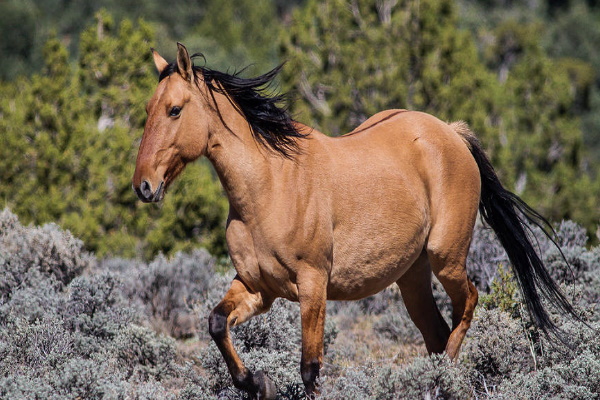
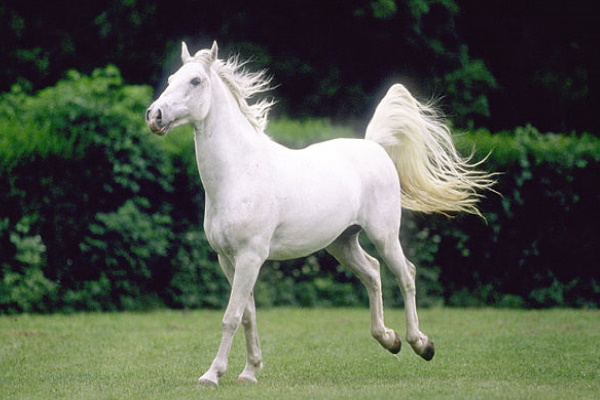
A shiny, smooth coat that lies flat against the body is a prime indicator of excellent internal nutrition and overall health. The skin should be supple and move easily over the underlying muscles. Conversely, a dull, rough, “staring” coat, or a coat that fails to shed out properly in the spring, can signal heavy internal parasite loads, severe nutritional deficiencies, or metabolic disorders such as Cushing’s disease (PPID). To test for dehydration, pinch a fold of skin on the horse’s neck; it should snap back flat instantly. If it remains tented, the horse is dangerously dehydrated.
3. Normal, Stable Vital Signs at Rest
Every horse owner must know how to take their horse’s vital signs and know their individual baseline. A healthy adult horse standing quietly at rest should have the following vital signs:
- Heart Rate (Pulse): 28 to 44 beats per minute.
- Respiratory Rate: 8 to 16 quiet breaths per minute. Breathing should not be labored or show a “heave line” along the barrel.
- Body Temperature: 99.0°F to 101.5°F (37.2°C to 38.6°C). Anything over 102°F is a fever indicating infection.
4. Robust Appetite and Consistent Water Intake
A healthy horse is almost always interested in eating. They should eagerly anticipate meal times and graze consistently throughout the day. A sudden, unexplained loss of appetite (anorexia), leaving grain in the bucket, or dropping partially chewed wads of hay from the mouth (quidding) are major red flags indicating illness, dental pain, or colic. Similarly, water consumption should be steady (typically 5 to 10 gallons a day). A sudden drop in drinking is dangerous.